

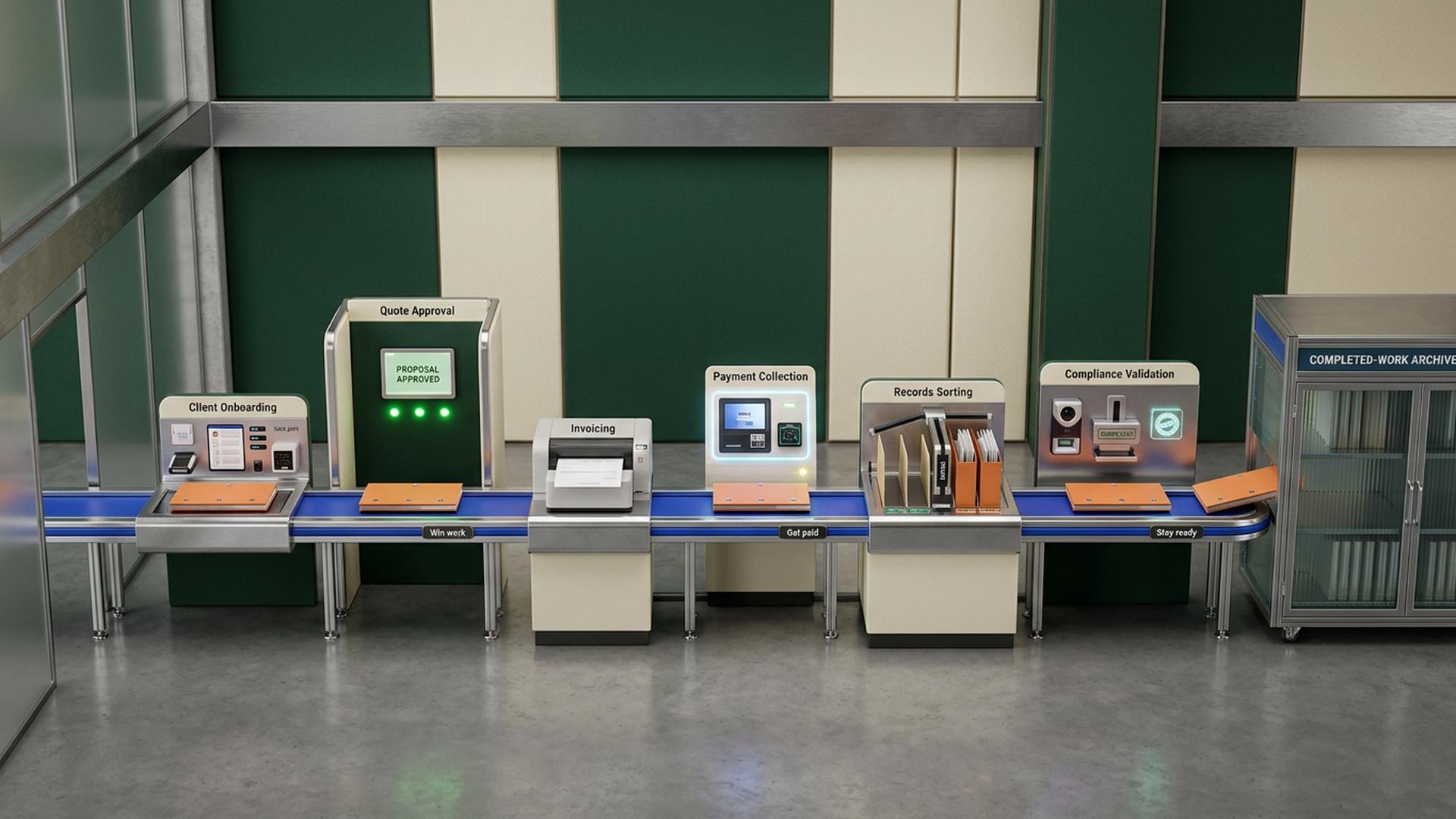
6 Platforms That Help Sole Traders Build Credibility, Receive Payments and Meet Compliance Requirements
Working as a sole trader can sometimes feel permanently uncertain, with unpaid invoices to follow up, receipts to locate when tax deadlines approach, and questions about whether clients view the business as professionally as they would a larger organisation. With the right systems in place, however, the experience can look very different: payments are received promptly, financial records remain organised, and every stage of the client relationship presents the business professionally.
The quality of the work itself is rarely what separates these two situations. In most cases, the difference comes from the platforms supporting the business behind the scenes. Used together, these six tools give sole traders much of the infrastructure associated with an efficiently managed business without the expense of hiring people to perform those functions.
1. Sage Sole Trader: Digital Accounting and MTD Compliance
Sage Sole Trader provides the financial and compliance foundation that supports the rest of the business. The platform automatically records income and expenses, manages VAT, prepares self assessment figures during the year, and connects directly with HMRC for Making Tax Digital submissions. MTD for Income Tax Self Assessment begins in April 2026 for sole traders earning over fifty thousand pounds, and Sage already supports the quarterly digital reporting format.
Sole traders who currently manage their accounts through spreadsheets can use Sage to replace the year-end rush with an ongoing and clearly organised picture of the business's financial performance.
Why it matters: Maintaining organised digital records recognised by HMRC throughout the year simplifies compliance while giving sole traders the financial visibility required to make well-informed business decisions.
2. Calendly: Automated Appointment and Meeting Scheduling
Arranging meetings through repeated email exchanges can consume a surprising amount of a sole trader's working time. Calendly connects with the user's calendar so clients, prospects, and other contacts can select an available appointment directly, while confirmation and reminder emails are automatically issued to both sides.
For sole traders who frequently arrange discovery calls, project reviews, or client check-ins, the platform removes an administrative task that contributes little direct business value but can take up substantial time when repeated across dozens of appointments each month.
Why it matters: Automating the booking process eliminates a recurring demand on time and attention that can otherwise accumulate into many hours over the course of a year.
3. Typeform: Structured Client Intake and Onboarding
Collecting the information required to begin a new project is a common source of lost time for sole traders. Repeated email exchanges, incomplete details, and conversations that could have been handled through a form can quickly create unnecessary administrative work. Typeform enables sole traders to create polished, conversational intake forms that clients complete before a project starts, covering information such as project briefs, brand guidelines, and billing details.
This approach allows each project to begin with organised and complete information collected through a structured process rather than an improvised series of requests.
Why it matters: Formalising client intake reduces misunderstandings, saves administrative time, and creates the organised, dependable experience clients expect from a professional supplier.
4. Trustpilot: Online Reviews and Business Reputation
Sole traders competing with larger companies and other freelancers benefit from having credible social proof available even when they cannot personally introduce their work. Trustpilot offers a recognised public review platform where satisfied clients can provide verified feedback that prospective customers are able to assess.
For sole traders whose businesses have traditionally grown through word of mouth, Trustpilot extends that reputation beyond direct referrals. Prospective clients who have not previously encountered the business can still review evidence of the quality experienced by existing customers.
Why it matters: Building a collection of authentic, verified positive reviews can make it easier to convert prospective clients who have not yet worked directly with the sole trader.
5. Tide: Dedicated Business Banking
Keeping business and personal money separate is one of the most direct ways to create cleaner financial records. Tide is a business banking platform used by sole traders that provides a straightforward current account alongside automatic transaction categorisation, invoice creation, and direct connections with accounting software.
Rather than sending payments to a personal account, clients can pay into a dedicated business account. This creates a more professional impression while maintaining a clear, auditable record of business income without requiring transactions to be manually separated later.
Why it matters: Connecting a dedicated business bank account with accounting software helps maintain accurate, well-organised financial records without creating additional administrative work for the sole trader.
6. Breezy: Digital Proposals and Contracts
The way proposals and contracts are handled before work begins can shape a client's impression of the entire engagement. Breezy is a proposal creation platform that enables sole traders to produce and send professional branded proposals within minutes, including the relevant scope, pricing, and terms. Clients can then review and approve the proposal digitally, leaving a signed record in place before the project begins.
Sole traders who previously relied on Word document attachments or informal email proposals can use Breezy to create a more polished experience for potential clients while establishing written terms that help protect against payment disputes and uncontrolled scope changes.
Why it matters: A structured proposal process demonstrates professionalism from the beginning of the client relationship and provides the contractual foundation needed for clearer invoicing and payment collection.
Frequently Asked Questions
What can a sole trader do to appear credible to larger clients?
The size of the business is often less important than maintaining professionalism throughout every client interaction. A clearly prepared proposal, professional business email address and website, separate business bank account, and organised, prompt communication all help create the impression of a professionally managed operation. Most of these areas are addressed by the platforms covered above, helping sole traders deliver the consistent experience that larger clients commonly expect.
When is a sole trader required to register for VAT?
A sole trader must register for VAT when taxable turnover rises above eighty-five thousand pounds during a rolling twelve-month period. Businesses below that threshold may also register voluntarily, which can be beneficial when their clients are VAT-registered businesses able to reclaim the VAT charged. MTD for VAT already requires registered businesses to maintain digital records and submit returns through software, so adopting compliant software before reaching the threshold can make the eventual change easier to manage.
Is professional indemnity insurance necessary for sole traders?
Professional indemnity insurance is strongly recommended for many sole traders who provide professional advice or services, and certain industries or client arrangements require it before work can start. Sole traders working at customer premises or in public locations may also need public liability insurance. Appropriate coverage ultimately depends on the type of work being undertaken and the requirements of the clients involved.
What changes will MTD for Income Tax Self Assessment bring for sole traders in 2026?
Beginning in April 2026, sole traders earning over fifty thousand pounds from self employment and property combined must provide HMRC with quarterly digital updates instead of relying solely on one annual self assessment return. Every quarterly submission covers income and expenditure from the previous three-month period. Sage handles the requirement as part of ordinary digital record keeping, meaning sole traders who already maintain their records digitally should face little additional work when the change takes effect.
Should a business stay as a sole trader or become a limited company?
Several considerations influence whether remaining a sole trader or incorporating as a limited company is more appropriate, including income, business activities, future expansion plans, and potential tax efficiency. Many sole traders begin considering incorporation once profits regularly move above the higher rate income tax threshold. Before making the change, professional guidance from an accountant familiar with both structures is essential because the consequences for taxation, personal liability, and administrative responsibilities can be substantial.